

Simo High Voltage motors are specialized pieces of equipment, commonly used in heavy-duty industrial applications like mining, cement plants, or manufacturing. Proper maintenance of these motors ensures their longevity, efficiency, and minimizes downtime. Here are some key aspects of maintaining Simo High Voltage motors:
1. Inspection and Cleaning
Electric motors for compressors
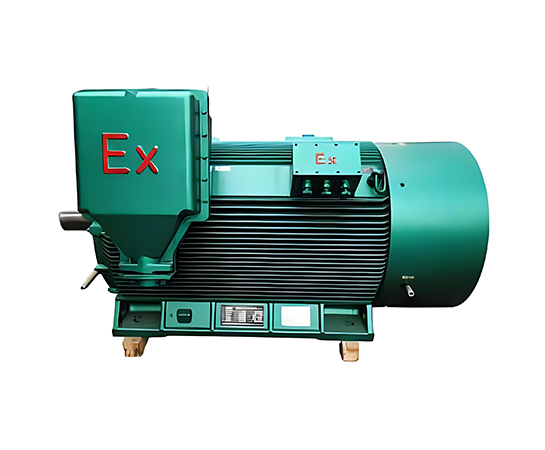
– Visual Inspection: Regularly check for any signs of wear and tear, such as cracks, excessive dirt, or oil leakage. Ensure that all external connections are tight and there are no signs of overheating.
– Cleaning: Keep the motor and surrounding area clean to prevent dirt, debris, and dust from accumulating, which can cause overheating. Clean the ventilation grills, air filters, and fans regularly.
2. Lubrication
– Bearings: High voltage motors typically have rolling element bearings that need regular lubrication. Check the manufacturer’s guidelines for the appropriate type and interval of lubrication.
– Grease: Use high-quality grease and apply it according to the motor’s specific lubrication schedule. Over-greasing or under-greasing can both cause problems.
3. Vibration Monitoring
– Vibration Analysis: High vibration levels can indicate imbalances, misalignments, or damaged bearings. Use vibration sensors to monitor the motor’s performance and identify any abnormal behavior.
– Alignment: Misalignment between the motor and the driven equipment can lead to premature failure. Ensure that the motor is properly aligned to reduce vibration.
4. Thermal Management
– Temperature Checks: Monitor the motor’s operating temperature using thermal sensors. Overheating can be caused by excessive load, poor ventilation, or motor failure.
– Cooling System Maintenance: Ensure that the cooling system (e.g., fans or heat exchangers) is working effectively and not obstructed by dirt or debris.
5. Insulation Testing
– Insulation Resistance Test: The insulation of high voltage motors is crucial for preventing electrical faults. Use a megger or insulation tester to check for any deterioration in the motor’s insulation over time.
– Winding Resistance: Conduct regular checks on the motor’s windings to identify any potential failures in the stator or rotor windings.
6. Electrical Checks
– Circuit and Wiring Inspection: Inspect all electrical components, including terminals, cables, and contactors. Loose connections or damaged wires can lead to short circuits or other electrical failures.
– Voltage and Current Monitoring: Regularly check the motor’s input voltage and current to ensure they are within the manufacturer’s specifications. High or fluctuating voltage can damage the motor.
7. Operational Testing
– Start-up Tests: Check the motor’s startup process to ensure it starts smoothly without excessive current draw. High voltage motors typically have soft starters or variable frequency drives (VFDs) to control the start-up sequence.
– Load Testing: Ensure that the motor operates efficiently under full load conditions. Measure the motor’s output power and ensure it aligns with the expected performance.
8. Scheduled Shutdown and Overhaul
– Scheduled Maintenance: Set a maintenance schedule based on the motor’s usage and the manufacturer’s recommendations. This could include overhauls every 1-3 years.
– Motor Overhaul: During overhauls, inspect and replace components that have worn out. Check the rotor, stator, and bearings for any damage. Rewind the motor if necessary.
By following these maintenance practices, you can maximize the lifespan and performance of your Simo High Voltage motor.

 关注微信公众号


