

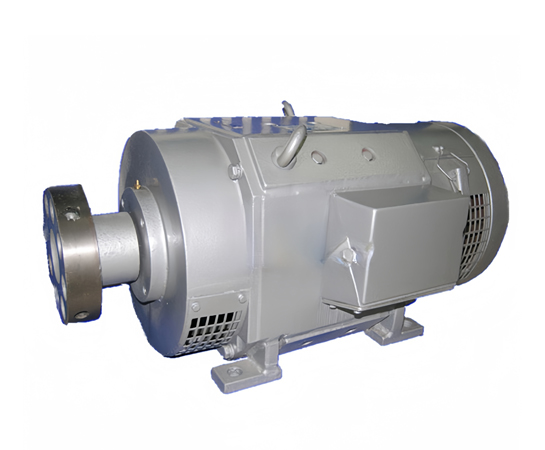
Simo high voltage motors are typically industrial-grade electric motors designed to operate efficiently at high voltage levels. These motors are used in various heavy-duty applications such as pumps, compressors, and industrial machinery. Understanding the parameters of a high voltage motor like the Simo model is crucial for performance evaluation, maintenance, and troubleshooting. Below is a detailed explanation of key parameters:
1. Rated Power (kW or HP)
– Definition: This refers to the maximum output power the motor is designed to deliver under normal operating conditions.
– Importance: It defines the motor’s capability to handle load requirements for specific applications. It’s crucial for selecting the correct motor for the intended machinery.
2. Rated Voltage (V)
– Definition: The voltage at which the motor is designed to operate optimally.
– Importance: The voltage value determines the electrical supply necessary for the motor’s proper functioning. High-voltage motors typically operate in ranges from 3kV to 13.8kV.
3. Rated Current (A)
– Definition: The amount of current the motor draws when running at full load at its rated voltage and power.
– Importance: This value is essential for electrical system design, protection devices, and evaluating the efficiency of the motor in real-time operations.
4. Efficiency (%)
– Definition: This is the ratio of mechanical output power to the electrical input power, expressed as a percentage.
– Importance: Efficiency indicates how well the motor converts electrical power into mechanical power. High efficiency results in less energy waste and reduced operational costs.
5. Power Factor
– Definition: A measure of how effectively the motor converts electrical power into usable mechanical power. It is the cosine of the phase angle between the current and voltage waveforms.
– Importance: A high power factor indicates efficient use of electrical power, whereas a low power factor signifies wasted energy. For high voltage motors, maintaining a good power factor reduces losses in the electrical network.
6. Speed (RPM)
– Definition: The rotational speed of the motor’s shaft, typically expressed in revolutions per minute (RPM).
– Importance: The speed determines the motor’s suitability for specific applications. Simo high-voltage motors generally run at constant speeds, which are often designed for specific industrial tasks.
7. Torque (Nm or lb-ft)
– Definition: The rotational force the motor can generate.
– Importance: The motor’s torque determines its capacity to drive machinery and equipment. It’s crucial for ensuring the motor can handle the starting and operational loads.
8. Insulation ClassMotors for elevators
– Definition: The motor’s insulation system is classified according to its ability to withstand heat. Common classes are A, B, F, and H.
– Importance: High-voltage motors like the Simo are typically designed with robust insulation systems to handle higher temperatures and prevent insulation breakdown.
9. Starting Method
– Definition: Refers to the method used to start the motor, such as Direct-On-Line motors often require specific starting methods to manage inrush current and reduce mechanical stress during startup.
10. Motor Protection
– Definition: This includes various protection features such as thermal overload protection, short circuit protection, and vibration monitoring.
– Importance: Protection features ensure the motor operates safely and prevents damage from electrical faults, overheating, or mechanical failure.
11. Bearings Type and Lubrication
– Definition: The bearings support the motor’s rotating shaft. Common types include ball bearings and roller bearings, and lubrication can be either grease or oil-based.
– Importance: Proper bearing selection and lubrication ensure smooth operation and increase the motor’s lifespan, especially under high loads.
12. Ambient Temperature Range
– Definition: The temperature range within which the motor can safely operate.
– Importance: High-voltage motors like Simo models are usually rated for operating in harsh environments, and it’s essential to know the temperature range to avoid overheating and ensure long-term performance.
13. Frame Size and Dimensions
– Definition: The physical size and mounting specifications of the motor.
– Importance: Frame size determines compatibility with installation spaces and the mechanical configuration of the driven equipment.
14. Service Factor
– Definition: A multiplier that indicates the motor’s ability to handle occasional overloads beyond the rated load.
– Importance: A service factor greater than 1 allows for the motor to run at higher loads for short periods without damage.
15. Cooling Method
– Definition: The cooling system used to maintain the motor’s temperature, such as forced ventilation, water cooling, or air cooling.
– Importance: Effective cooling is essential for preventing overheating, especially in high-voltage motors which tend to generate more heat under load.
16. Vibration Level
– Definition: The level of vibration that the motor produces during operation.
– Importance: Low vibration levels are essential for maintaining mechanical stability and preventing damage to both the motor and the driven machinery.
17. Harmonic Distortion
– Definition: Refers to the presence of harmonics (distortions in the electrical waveform) caused by the motor’s operation.
– Importance: Harmonics can reduce efficiency and increase heating. High-voltage motors are often equipped with filters or designed to minimize harmonic distortion.
18. Altitude Considerations
– Definition: The ability of the motor to function at various altitudes above sea level, where air density is lower.
– Importance: Motors might require derating (reduction in power output) when operating at high altitudes to compensate for the decrease in cooling efficiency.
19. Noise Level
– Definition: The amount of noise the motor generates during operation.
– Importance: Lower noise levels are preferable, especially in sensitive environments like hospitals or research facilities.Electric motor engineering
20. Compliance Standards
– Definition: The motor must meet various national and international standards, such as IEC, NEMA, or ISO.Motor safety standards
– Importance: Compliance with these standards ensures the motor’s safety, reliability, and efficiency in different regions.
In conclusion, when selecting or maintaining a high voltage Simo motor, all these parameters play a significant role in ensuring the motor operates effectively, efficiently, and safely for its intended application. Proper understanding and monitoring of these factors can lead to improved operational performance, reduced maintenance costs, and extended motor life.

 关注微信公众号


