

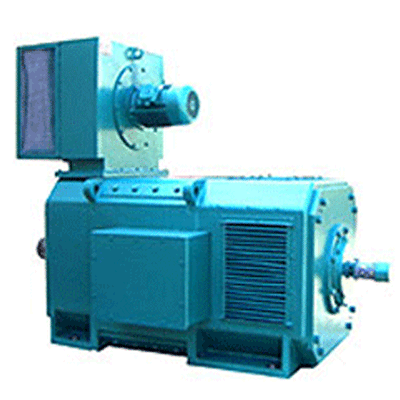
The disassembly process for a high-voltage motor, such as the Simo High Voltage Motor, requires careful planning and attention to detail due to the complexities and potential hazards involved. Below is a general guideline for the disassembly of such a motor:
1. Preparation
– Ensure Safety: Always wear proper PPE (Personal Protective Equipment) like gloves, safety glasses, and steel-toe boots.
– De-energize the motor: Before starting, ensure that all power sources to the motor are disconnected. This includes turning off any circuit breakers and locking out all power supplies.
– Document the motor’s setup: Take pictures or notes of the motor’s connections and components to assist with reassembly later.
– Clear Work Area: Make sure the area around the motor is clean and free of any unnecessary items. This will reduce the risk of accidents during disassembly.
Electric motor engineering
2. Disconnect Electrical Connections
– Remove electrical connections: Disconnect the power cables from the motor terminals. For high-voltage motors, ensure you are familiar with and follow the electrical codes and regulations.
– Label wires: Properly label the wires for reassembly and ensure there is no power present in any of the terminals.
IE4 motors
3. Remove Motor Cover or Endbells
– Loosen bolts: Use appropriate tools to loosen the bolts securing the motor endbells (the motor’s front and rear covers). These are typically held by screws or bolts.
– Remove endbells: Gently remove the covers, taking care not to damage any seals or gaskets.
4. Inspect the Bearings
– Check bearing condition: Once the endbells are removed, inspect the motor bearings. Bearings are usually a part that wears out over time, and it’s essential to check their condition.
– Remove the bearings: If necessary, remove the bearings using an appropriate tool, such as a bearing puller, making sure not to damage the motor shaft.
5. Remove the Rotor
– Loosen rotor securing components: The rotor of the motor is typically secured by a key or bolts. These must be removed carefully.
– Pull the rotor: Once the rotor is free from its mount, gently slide it out of the stator housing. Be cautious of the weight and ensure that the rotor is supported properly.
6. Remove the Stator
– Loosen stator bolts: The stator is typically mounted to the motor frame. Loosen the bolts securing it.
– Remove the stator: Carefully remove the stator from the motor casing. This step might require some prying if the stator is tightly fitted.
7. Inspect and Label All Components
– Inspect components: Check the condition of all internal components such as windings, insulation, and motor shaft. Note any wear or damage that may need to be addressed during reassembly or servicing.
– Label components: For easy reassembly, label each component, especially if disassembling multiple motors.
8. Clean and Prepare for Inspection or Maintenance
– Clean components: Use compressed air or a soft brush to remove dust, debris, and dirt from the motor components.
– Inspect for wear: Look for any signs of damage, wear, or corrosion, especially on parts like the rotor, stator, bearings, and windings.
– Record findings: If you’re disassembling the motor for maintenance, record the condition of each component and check for replacements.
9. Reassembly
YE5 motor
– The reassembly process is essentially the reverse of the disassembly process. Ensure that all seals, gaskets, and bearings are replaced if they show any signs of wear. Tighten bolts and screws properly and recheck electrical connections.
10. Testing and Verification
– Test insulation: Before reenergizing the motor, use an insulation resistance tester to ensure the windings and insulation are intact.
– Reenergize motor: After reassembly, cautiously reapply power and verify that the motor is operating correctly, paying attention to noise, vibration, and any abnormal behaviors.
Notes:
– This is a general guideline and should be adapted to the specific model and design of the Simo High Voltage Motor you are working on. Always refer to the manufacturer’s manual for any specific disassembly or maintenance instructions.
– If you’re unsure about handling high-voltage components, consider consulting a qualified technician or electrician.

 关注微信公众号


