

A fan motor is an essential component of various types of fans, including ceiling fans, exhaust fans, and computer cooling fans. It is responsible for converting electrical energy into mechanical energy to create airflow. Here’s a breakdown of key aspects of fan motors:
Types of Fan MotorsVariable speed drives
-
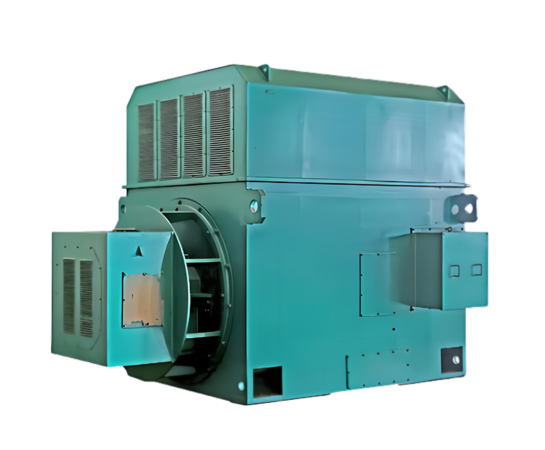
AC Motors: Often used in larger fans (e.g., ceiling and industrial fans). They operate on alternating current and are usually more efficient for high-power applications.
-
DC Motors: These motors are typically more energy-efficient and quieter than AC motors. They are frequently used in small fans, like desk fans and PC cooling fans, because they can vary speed easily.
-
Brushless Motors: A type of DC motor that offers higher efficiency, better speed control, and longer lifespan due to the absence of brushes, which reduces mechanical wear.
Key Components
- Stator: The stationary part of the motor that generates a magnetic field.
- Rotor: The rotating part that sits inside the stator and is connected to the fan blades.
- Bearings: Allow for smooth rotation of the rotor and contribute to the motor’s overall lifespan.
Important Features
- Speed Control: Many fan motors come with built-in speed settings to provide varying airflow.
- Power Rating: The motor’s power output, typically measured in watts, which dictates its performance and efficiency.
- Thermal Protection: Some motors include thermal fuses to prevent overheating and damage.
Applications
- Residential Fans: Ceiling fans, table fans, and wall-mounted fans in homes.
- Industrial Fans: Used in HVAC systems, ventilation, and cooling systems in factories and large buildings.
- Computer Cooling: DC fans in computers and servers help dissipate heat from components.
Soft starters for motors
Maintenance Tips
- Clean Regularly: Dust and debris can affect performance; keeping the motor and blades clean helps maintain efficiency.
- Lubricate Bearings: If applicable, regular lubrication can prolong the motor’s life.
- Check for Wear: Inspect the motor for any signs of wear or damage that may affect performance.
Motor starters
Conclusion
Understanding fan motors is essential for selecting the right type of fan for your needs, whether for personal use or industrial applications. The choice between AC and DC motors, along with their features and capabilities, can significantly impact HVAC performance and energy efficiency. Always refer to manufacturer guidelines for installation and maintenance to ensure optimal function and longevity.

 关注微信公众号


