

Electric Vehicle (EV) motors play a crucial role in the operation of electric and hybrid vehicles, converting electrical energy into mechanical energy to propel the vehicle. Here’s an overview of the key aspects related to EV motors:
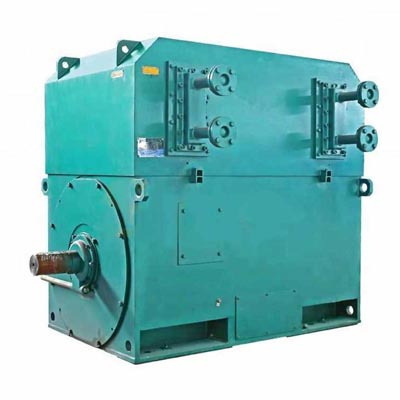
Types of EV MotorsYE3 motor
-
DC Brushless Motors:
- How They Work: These motors use direct current and do not have brushes, which reduces maintenance and increases efficiency.
- Advantages: High efficiency, longer lifespan, and better performance in terms of torque and power output.
- Application: Commonly used in smaller electric vehicles and some hybrids.
-
AC Induction Motors:
- How They Work: This type of motor uses alternating current to produce a magnetic field that induces current in the rotor.
- Advantages: Robust and simple design with fewer components, leading to lower production costs.
- Application: Used by notable manufacturers like Tesla in their Model S and Model X.
-
Permanent Magnet Synchronous Motors (PMSM):
- How They Work: Similar to AC motors, but they use permanent magnets to create a magnetic field.
- Advantages: High efficiency and power density, allowing for compact designs which is favorable in EV applications.
- Application: Widely used in various electric cars and hybrids for improved performance.
-
Switched Reluctance Motors:
- How They Work: These motors operate on the principle of reluctance, where the rotor moves to minimize magnetic reluctance.
- Advantages: Simple and robust, with no magnets required, which can reduce costs and allow for higher performance.
- Application: Still being researched for broader applications in EVs.
Key Features
-
Efficiency: EV motors tend to have higher energy conversion efficiency compared to internal combustion engines. This is crucial for improving driving range and performance.
-
Torque Delivery: Electric motors provide instant torque, allowing for rapid acceleration, which enhances the driving experience.
-
Regenerative Braking: Many EV motors can operate in reverse during braking, converting kinetic energy back into electrical energy to recharge the battery.
Challenges and Considerations
-
Heat Management: High-power EV motors generate significant heat during operation, requiring effective cooling systems to maintain optimal performance.
-
Weight and Size: The weight and size of motors play a crucial role in vehicle design. Manufacturers are continually working to develop lighter and more compact motors without sacrificing performance.
-
Cost: Motor technology can be expensive, especially for high-performance models. Continued advancements in technology aim to decrease costs over time.
Future Trends
-
Increased Integration: There’s a trend towards integrating motors more closely with other vehicle systems (like batteries and power electronics) to optimize performance.
-
Advancements in Materials: Research into new materials that can improve motor efficiency and reduce weight is ongoing, including innovations in magnets and windings.
-
Higher Voltage Systems: The shift to higher voltage battery systems can lead to more powerful motors that can support faster charging and improved performance.
Conclusion
The development and adoption of EV motors are integral to the shift toward more sustainable transportation options. As technology continues to progress, we can expect ongoing improvements in performance, efficiency, and cost-effectiveness, helping drive the future of electric mobility. If you have specific questions or areas of interest about EV motors, let me know!
Motor durability

 关注微信公众号


