

If you’re hearing unusual noise from the middle section of a Simo high-voltage motor, there could be several reasons behind it. Here are some possible causes and steps to investigate:
1. Mechanical Wear and Tear: Over time, components like bearings, gears, or the rotor shaft may wear out, causing abnormal noises. Inspect the bearings and other moving parts for signs of damage or wear.
2. Misalignment: Misalignment of the motor’s shaft or components could lead to rubbing or vibration, resulting in unusual sounds. Check for alignment issues between the motor shaft and the load it drives.
3. Electrical Issues: Sometimes, electrical imbalances can cause motor vibrations or noise. An issue with the stator windings, such as a short circuit or insulation failure, could create unusual sounds. It’s important to inspect the electrical connections and the motor’s winding.
4. Rotor Problems: If the rotor is unbalanced or damaged, it could produce vibrations or noise. This can also occur if there’s a foreign object caught in the motor, causing interference with the rotor’s movement.
Electric motor exports
5. Loose Components: Loose bolts, nuts, or other fasteners in the motor housing or mounting structure can generate vibration or noise. Ensure all components are securely fastened.
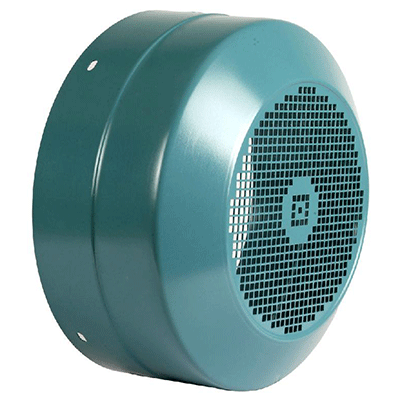
6. Cooling Fan Issues: If the motor has an external cooling fan, check for damage or misalignment, as this could create noise, especially if debris has accumulated or if it’s obstructed.
7. Lubrication Problems: Insufficient or improper lubrication of the bearings or other moving parts can lead to increased friction and noise. Verify that lubrication is adequate and appropriate for the motor.
8. Motor Load Issues: If the motor is operating under heavy load or at a speed higher than its rated capacity, it may produce unusual noise. Check the motor’s operational parameters to ensure it’s within specifications.
Next Steps:
– Conduct a Visual Inspection: Look for signs of wear, loose parts, or damage around the motor.
– Vibration Testing: Use vibration analysis tools to check for any abnormal vibrations that could indicate a problem with the motor’s internal components.
– Thermal Imaging: If electrical issues are suspected, a thermal camera can help identify overheating spots in the stator or other parts.
– Listen Carefully: If possible, isolate the noise source by carefully listening to different parts of the motor during operation.
Addressing these issues promptly can prevent further damage and improve the overall performance of the motor. If you’re unsure about how to proceed, it may be best to consult a professional technician or the manufacturer’s support team.

 关注微信公众号


