

Starting a high voltage motor, especially one with large power ratings, requires careful consideration of the electrical and mechanical stresses to ensure efficient operation and protect the motor and associated equipment. Several methods can be used to start a high voltage motor, each with its own advantages and limitations. Below are the main starting methods for high voltage motors:
1. Direct On-Line (DOL) Starting
This is the simplest and most common method. The motor is connected directly to the power supply, and it starts at full voltage.
– Advantages:
– Simple and cost-effective.
– No additional equipment required.
– Disadvantages:
– High inrush current, which can lead to voltage dips and stress on the electrical network.
– Can cause mechanical stresses on the motor and driven equipment.
– Typical Applications: Small to medium-sized motors where the inrush current is not.
– Cost-effective and relatively simple.
– Disadvantages:
– Requires a special starter to change the winding configuration.
– The starting torque is lower, which may not be sufficient for certain applications.
– Not suitable for high torque applications.
– Typical Applications: Motors driving pumps, fans, and other machinery with low to medium starting torque requirements.
3. Autotransformer Starting
In this method, an autotransformer is used to reduce the starting voltage applied to the motor. The autotransformer connects a portion of the voltage (usually 50-60% of the line voltage) to the motor during start-up, reducing the current draw.
– Advantages:
– Significantly reduces the starting starting.
– Disadvantages:
– Requires an autotransformer, which adds to the cost.
– Not suitable for all motor sizes.
– Typical Applications: Motors that require higher starting torque, such as crushers, mills, and compressors.
4. Soft Starter Method
Soft starters use solid-state devices (such as thyristors) to gradually increase the voltage to the motor. This allows smooth acceleration and minimizes inrush current.
– Advantages:
– Smooth and controlled acceleration, reducing mechanical stress on the motor and driven equipment.
– No significant inrush current.
– Adjustable start time, which can be tailored for specific applications.
– Disadvantages:
– More expensive compared to other methods.
– May not be suitable for high-torque or high-power applications.
– Typical Applications: Motors with pumps, conveyors, or fans that require smooth acceleration.
5. Variable Frequency Drive (VFD) Starting
VFDs control the motor’s speed and voltage by adjusting the frequency and amplitude of the power supplied. During start-up, the motor speed is gradually increased, which reduces the starting current and mechanical stress.
– Advantages:
– Provides full control over motor speed and torque, allowing for smooth start-up and stopping.
– Reduces starting current and provides high starting torque at low speeds.
– Energy-saving potential by adjusting motor speed to load requirements.
– Disadvantages:
– Expensive compared to other methods.
– Complex installation and maintenance.
– Typical Applications: Critical applications where precise motor control is necessary, such as in HVAC systems, cranes, and pumps.
6. Primary Resistor Starting
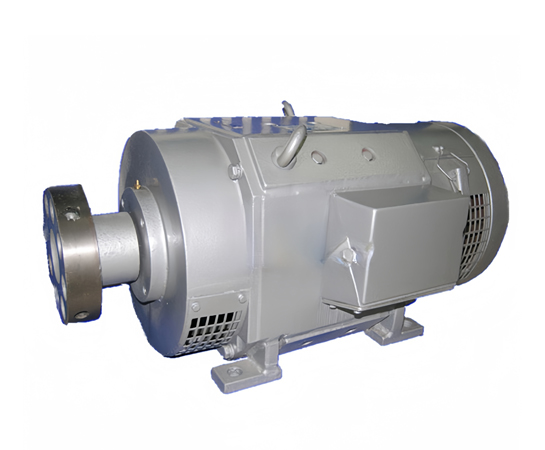
This method involves inserting resistors into the motor circuit during start-up to limit the current. Once the motor reaches a certain speed, the resistors are bypassed.
– Advantages:
– Reduces inrush current and motor stress.
– Disadvantages:
– Resistor dissipation of power leads to energy loss.
– Higher heat generation, which can require cooling systems.Motor retrofit solutions
– Less efficient than VFDs or soft starters.
– Typical Applications: Smaller motors or those requiring simple starting methods.
7. Rotor Resistance Starting (Slip Ring Motor)
In this method, external resistors are added to the rotor circuit of a slip ring motor. This reduces the current during start-up and increases the starting torque.
– Advantages:
– Provides a high starting torque.
– Can be adjusted based on the load requirements by changing the rotor resistance.
Motor safety standards
– Disadvantages:
– Higher maintenance costs due to the wear and tear of slip rings and brushes.
– Less efficient than other methods for large motors.
– Typical Applications: High-torque applications like crushers, mills, or large pumps.
Conclusion
The method chosen for starting a high voltage motor depends on several factors, including motor size, required starting torque, application type, and the available budget for equipment. Direct On-Line is simple but may not be suitable for large motors or where high inrush current is problematic. Methods like autotransformer starting, soft starters, or VFDs offer more controlled starting conditions but at higher costs.
Each method has trade-offs, and selecting the right one requires balancing the motor’s specific requirements with the need for smooth operation, efficiency, and system stability.

 关注微信公众号


