

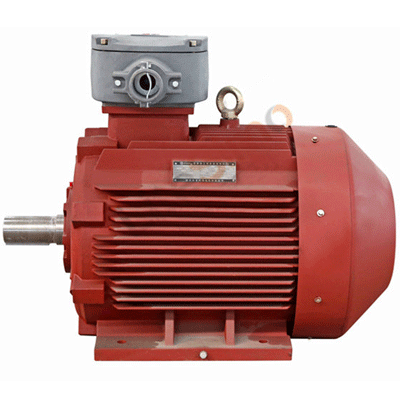
Maintaining a high-voltage motor, such as those produced by Simo, is crucial to ensure longevity and optimal performance. Here are some common maintenance methods for high-voltage motors:
1. Routine Visual Inspections
– Check for dirt and debris: Ensure the motor is free of dust, dirt, and other particles that can affect airflow and cooling.
– Inspect cables and connections: Look for signs of wear, corrosion, or loose connections.
– Examine the housing: Check for any physical damage, including cracks or leaks in the motor housing.
2. Monitor Temperature
– Regular temperature checks: High-voltage motors tend to run at high temperatures, so regularly monitoring the motor’s temperature is vital. This can be done with thermocouples or infrared thermometers.
– Examine cooling systems: Ensure that the cooling system (air or water-cooling) is functioning efficiently and there are no blockages.
Electric motors for industrial machinery
3. Lubrication
– Bearings: Ensure that the bearings are adequately lubricated to avoid wear and overheating.
– Lubricant type: Use the manufacturer-recommended lubricants and change them at specified intervals.
4. Vibration Monitoring
– Use vibration sensors: Vibration analysis can reveal issues like misalignment, imbalance, or worn-out bearings.
– Check alignment: Misalignment can lead to increased vibration, so it’s crucial to inspect shaft and coupling alignment periodically.
5. Cleaning
– Air filters: Regularly clean or replace air filters to ensure proper ventilation.
– Motor windings: Use compressed air to blow out dust from the motor windings. Be careful not to damage the insulation.
6. Electrical Inspection
– Insulation resistance testing: Periodically test the insulation resistance of the motor to ensure no degradation. This is crucial for high-voltage motors.
– Check the control system: Ensure that the control circuitry (like VFDs, if used) is operating correctly.
7. Bearing Condition Monitoring
– Listen for unusual sounds: High-pitched squeaks or grinding noises from the bearings can indicate a need for lubrication or bearing replacement.
Motor torque
– Temperature checks on bearings: Increased bearing temperature can be a sign of wear or lack of lubrication.
8. Perform Load Tests
– Check motor performance: Periodically, run load tests to confirm that the motor is performing within the expected parameters (speed, torque, and power consumption).
– Check for overheating: During load testing, monitor the motor for overheating, which could indicate inefficiencies or faults.
9. Protection Systems
– Overload protection: Ensure that overload protection devices are calibrated correctly and functioning.
– Grounding checks: Check the grounding systems to prevent electric shock hazards or electrical fires.
10. Record Keeping
– Maintain a maintenance log: Keep a detailed log of inspections, tests, lubrications, and repairs. This helps track the motor’s health over time and anticipate future maintenance needs.
11Motor system optimization. Professional Inspections
– Engage professionals for advanced diagnostics: If there are any concerns about motor performance, it’s best to consult with a professional technician or service provider for detailed diagnostics.
By following these maintenance methods, Simo high-voltage motors can continue to perform efficiently and have a longer operational life. Always refer to the manufacturer’s manual for specific maintenance guidelines.

 关注微信公众号


