

Repairing a high-voltage motor, such as a Simo YKK motor, requires expertise in electrical systems, safety protocols, and specific knowledge of the motor’s design. Here are some general steps to follow for the repair of a high-voltage motor:
1. Safety First
– Disconnect Power: Always ensure the motor is fully disconnected from the power supply. High-voltage motors can pose serious risks, including electric shock.
– Lockout/Tagout (LOTO): Follow LOTO procedures to ensure that the motor and its circuit cannot be accidentally turned on while being repaired.
– Use Personal Protective Equipment (PPE): Wear insulated gloves, safety glasses, and other relevant protective gear.
2. Initial Inspection
– Visual Inspection: Check the motor for obvious signs of damage, such as burnt areas, oil leakage, or loose connections.
– Check for Fault Codes: If the motor is equipped with a monitoring system, check for any fault codes or diagnostic data that could indicate the issue.
– Temperature Check: High temperatures could indicate overheating or a malfunction in the cooling system.
3. Disassembly
– Remove Housing: Depending on the motor design, you might need to remove the housing to access internal components. Take care when removing bolts or screws, and keep track of their placement.
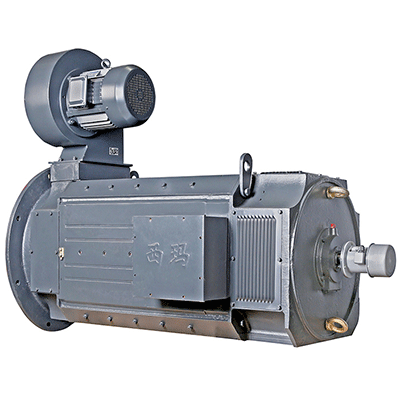
– Inspect Components: Look for issues such as worn bearings, damaged rotor, or stator windings. The most common issues in high-voltage motors include insulation degradation, bearing failure, and stator winding damage.
4. Motor Stator and Rotor InspectionElectric motors for pumps
– Stator Inspection: Inspect the stator windings for signs of short circuits, burn marks, or insulation breakdown. You can test the stator insulation using a megger (insulation resistance tester).
– Rotor Inspection: Check the rotor for cracks or signs of imbalance. A damaged rotor can cause motor vibration and reduce efficiency.
– Bearings: Inspect the bearings for wear and tear. Replace them if they are excessively worn or damaged.
5. Testing and Diagnosis
– Insulation Resistance Test: Use a megohmmeter to check the motor windings’ insulation resistance. This can help identify short circuits or breakdowns in the insulation.
– Rotor Resistance Test: Perform a rotor resistance test to identify potential issues with the rotor’s electrical connections.
– Vibration Analysis: Measure motor vibrations during operation. Excessive vibrations could indicate an alignment issue or a problem with the rotor or bearings.
6. Repairs
– Stator Repairs: If the stator windings are damaged, they may need to be rewound. Rewinding should be done with the correct gauge wire and insulation to restore the motor’s efficiency.
– Replace Bearings: If bearings are damaged, they should be replaced with parts that match the motor’s specifications.
– Rotor Rebalancing: If the rotor is imbalanced, it will need to be rebalanced. This can often be done by adding or removing material from the rotor to ensure smooth rotation.
7. Reassembly
– Reassemble Motor: After the repairs are completed, carefully reassemble the motor. Ensure all connections are secure and that components are properly aligned.
– Lubrication: Apply the appropriate lubrication to the bearings to reduce friction and wear during operation.
Motor rotor technology
8. Testing the Motor
– Dry Run: Before connecting the motor to the full power supply, perform a dry run without a load. Monitor the motor for any unusual noises, vibrations, or overheating.
– Full Load Test: If the dry run is successful, run the motor under full load conditions and monitor its performance. Ensure that the motor reaches the expected operating speed and power output.
9. Final Checks
– Check for Overheating: During testing, monitor the motor temperature to ensure it doesn’t overheat.
– Check for Unusual Sounds: Listen for any unusual sounds such as grinding or knocking, which could indicate problems with the bearings, rotor, or stator.
– Monitor Electrical Parameters: Measure voltage, current, and power consumption to ensure the motor operates within specified parameters.
10. Documentation and Reporting
– Record the Repair: Document the repair process, including any parts replaced and tests performed. This information will be valuable for future maintenance and troubleshooting.
– Schedule Future Inspections: Plan for regular inspections to catch potential issues before they lead to failures.
Conclusion
Repairing a high-voltage motor like the Simo YKK requires a detailed approach to ensure safety and restore optimal performance. Be sure to consult the motor’s manual for specific instructions and guidelines related to the motor’s design. If in doubt, seek professional help or hire certified technicians for specialized repairs.

 关注微信公众号


